African Primates

African Primates: A Brief Overview

African primates represent some of the most intelligent, social, and ecologically important mammals on the continent. They range from the great apes, such as mountain gorillas and chimpanzees, to smaller species like baboons, colobus monkeys, and vervet monkeys. These primates inhabit diverse environments including tropical rainforests, savannahs, montane forests, and woodland ecosystems, making them highly adaptable yet deeply connected to their habitats.

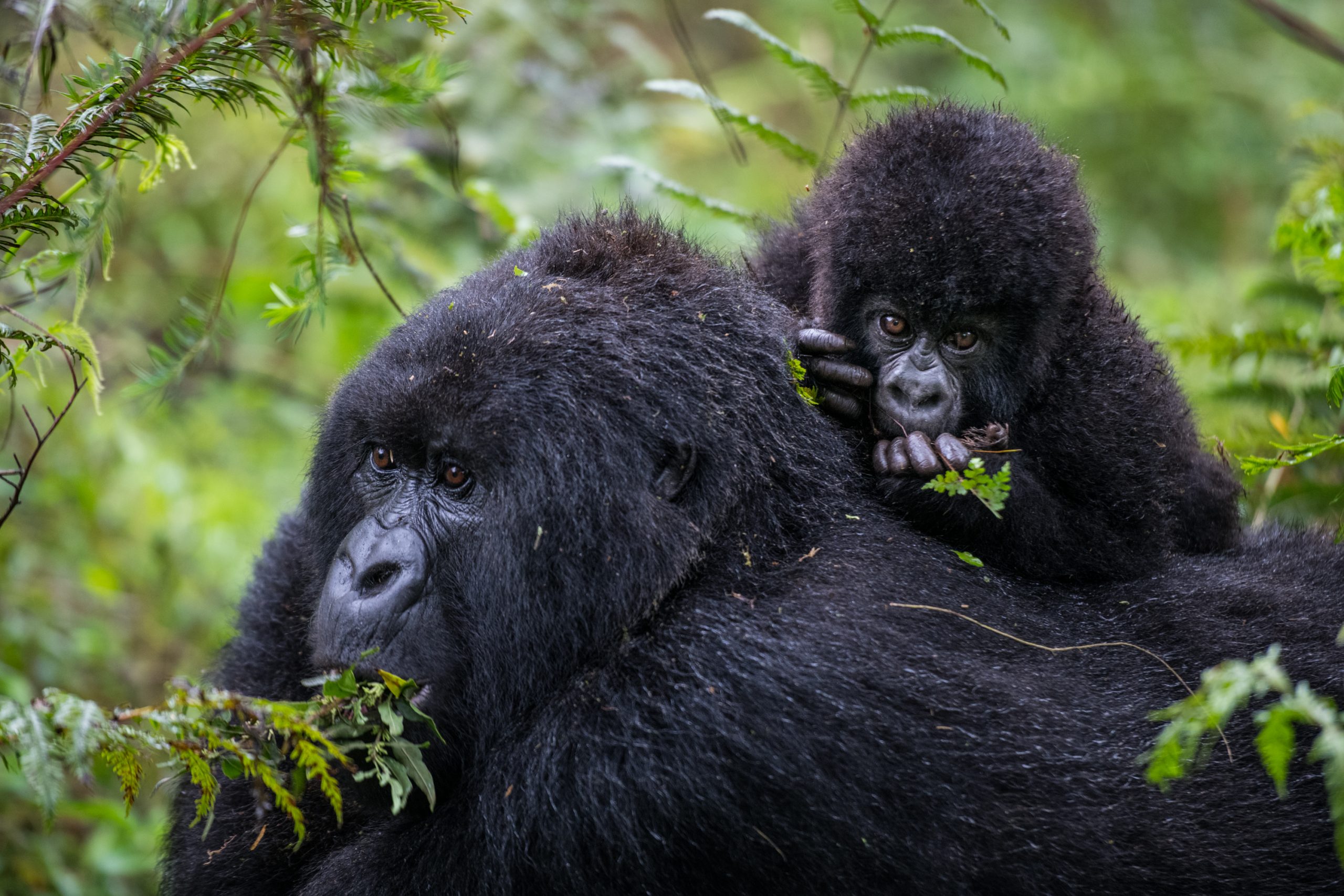
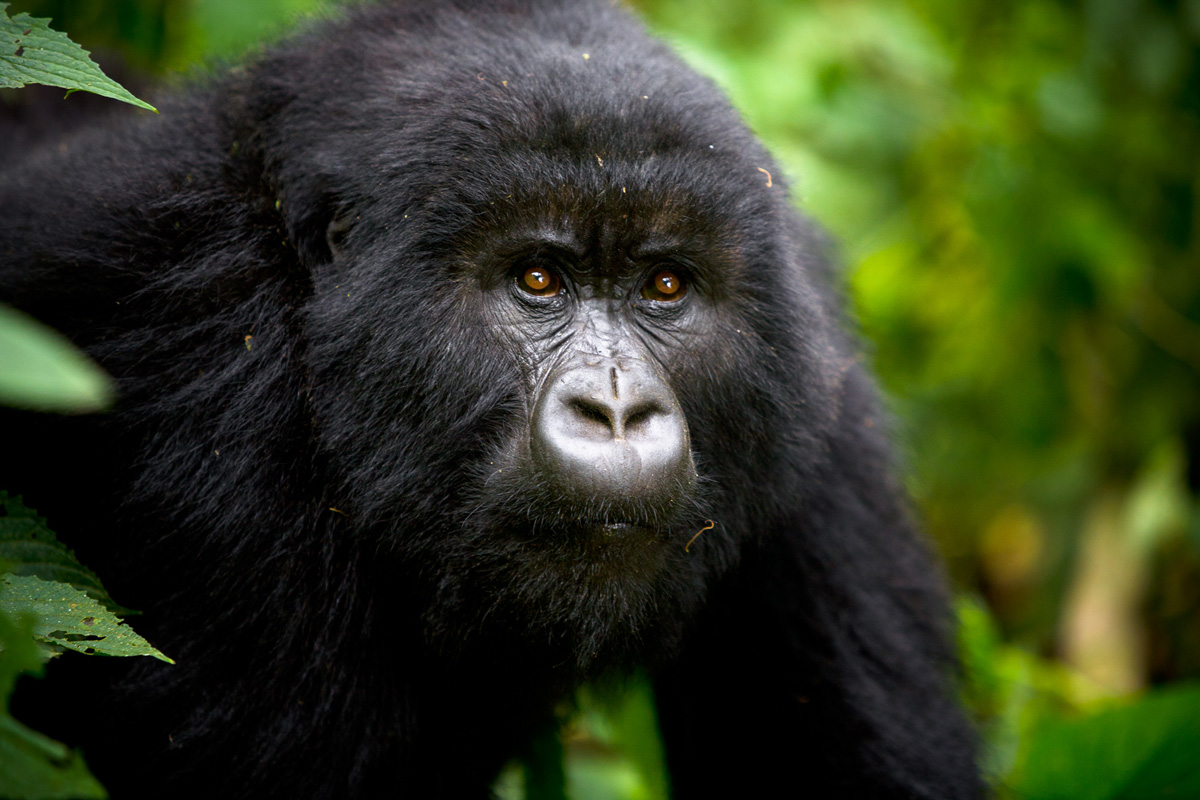
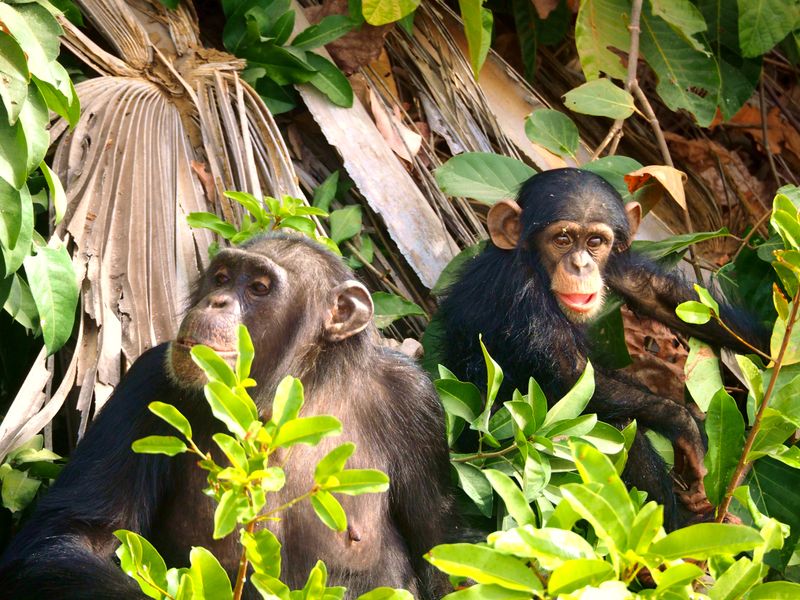
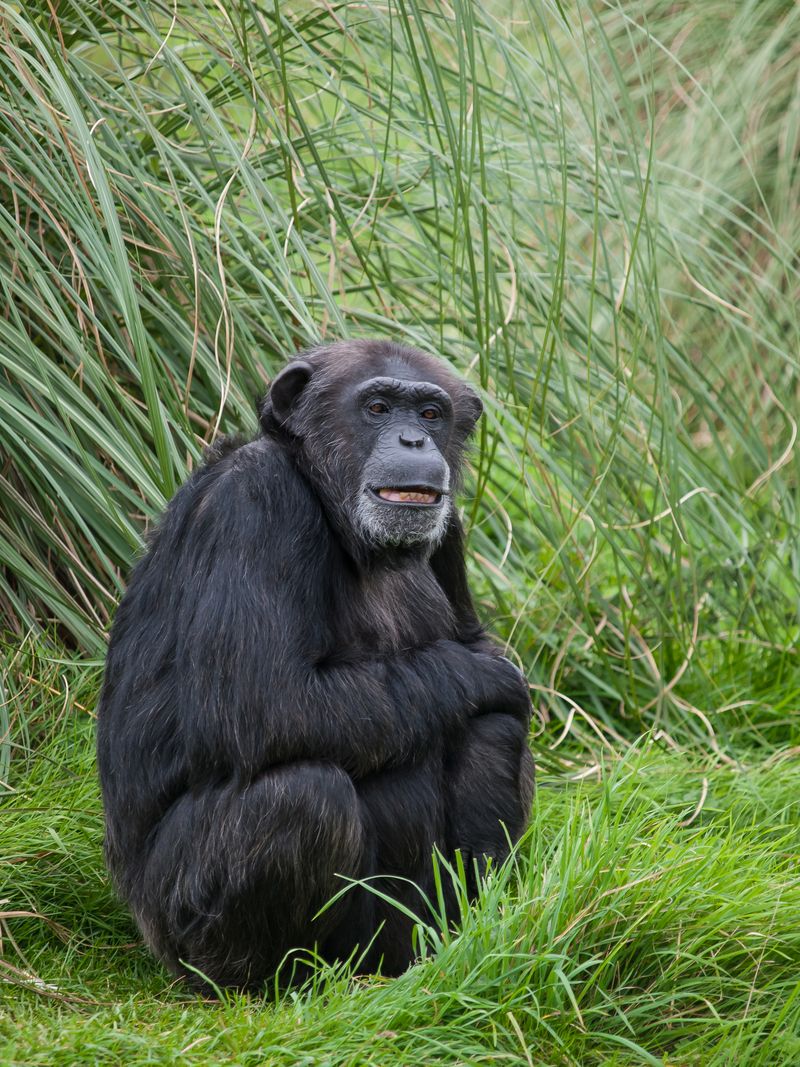
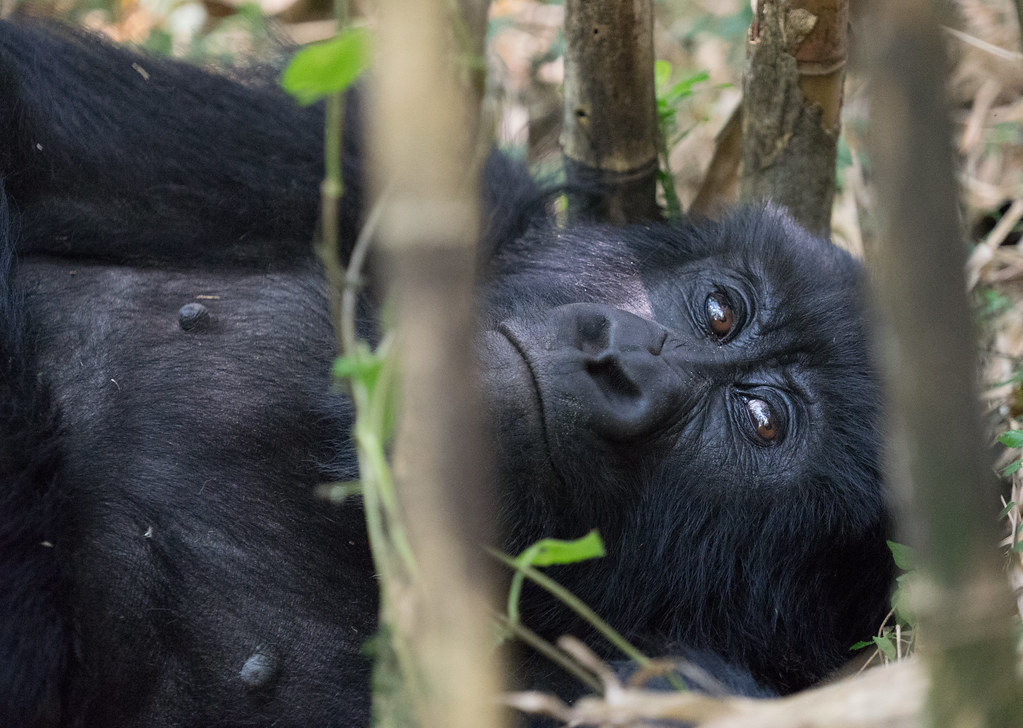
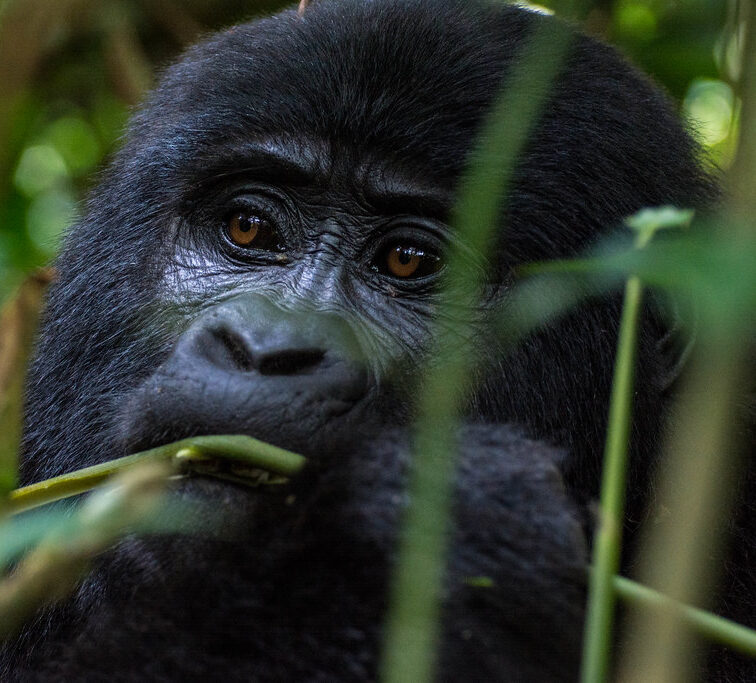
Great apes are the most iconic African primates, sharing a close genetic relationship with humans. Mountain gorillas live in high-altitude forests of East and Central Africa, while chimpanzees occupy lowland and forested regions across several countries. These species display complex social structures, advanced communication, tool use, and strong family bonds, highlighting their cognitive sophistication.

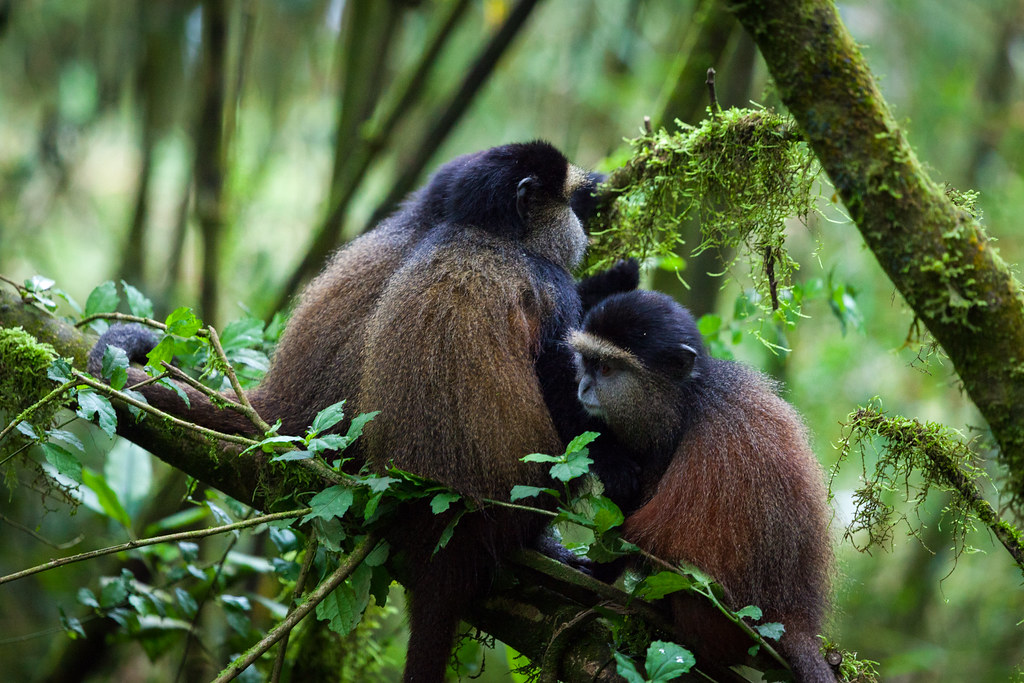
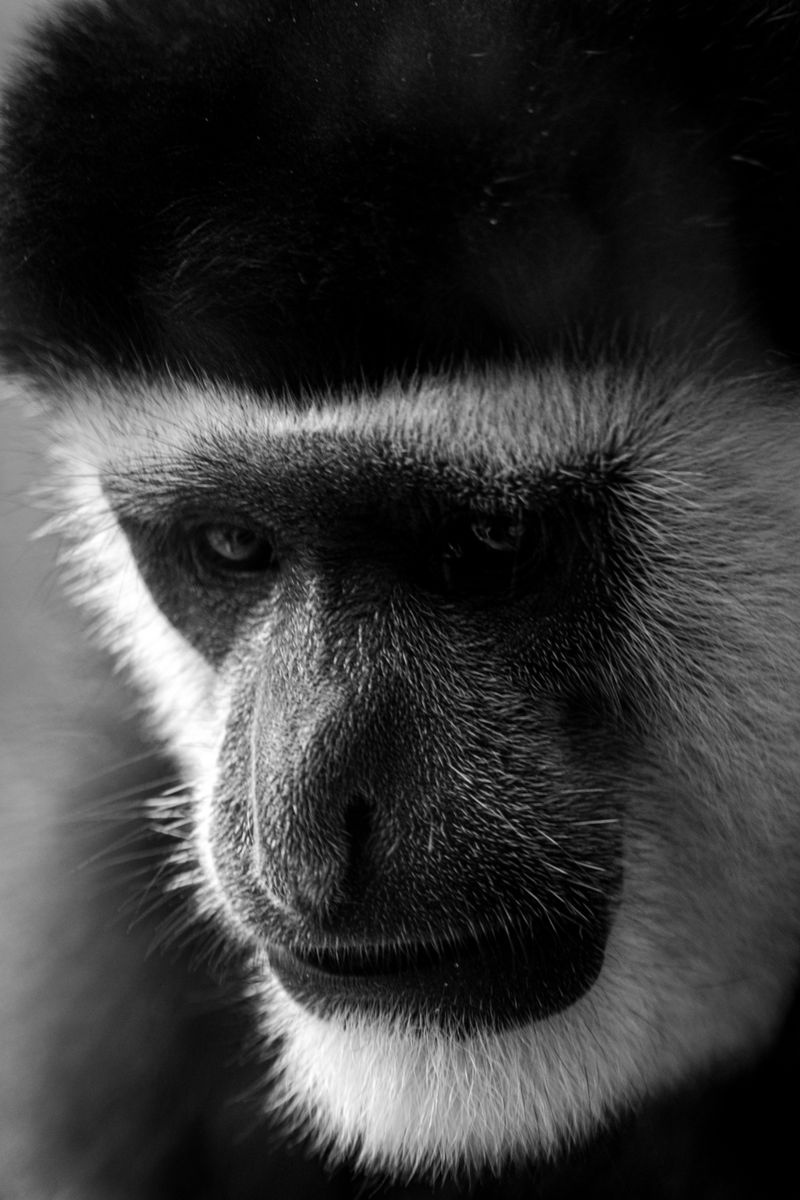
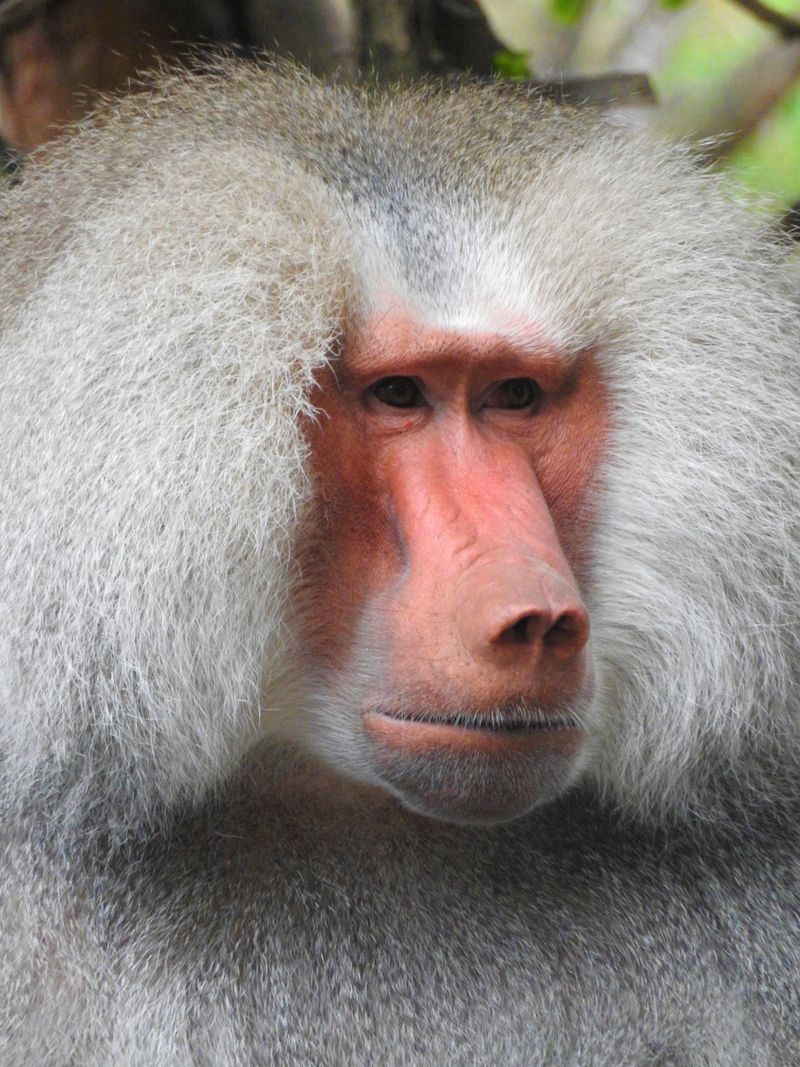
Monkeys form the largest group of African primates and play a vital role in maintaining forest health. Species such as colobus and guenons contribute to seed dispersal and vegetation regeneration, supporting biodiversity. Baboons, known for their adaptability, thrive in both wild and human-altered landscapes, demonstrating remarkable survival strategies.

African primates face growing threats from habitat loss, poaching, disease, and climate change. Conservation efforts focus on habitat protection, anti-poaching initiatives, and responsible ecotourism, which provides funding and awareness for their survival. Protecting African primates is essential not only for preserving wildlife heritage but also for maintaining the ecological balance of the ecosystems they support.


OUR TOP PRIMATE SAFARIS TOURS

1 Day in Africa

Button Text

1 Day in Africa

Button Text

1 Day in Africa

Button Text

1 Day in Africa

Button Text

1 Day in Africa

Button Text

1 Day in Africa

Button Text

To protect the primate life and experiences all over Africa

OUR MISSION AND VISION

Providing an amazing community and life comfortability to the primate nature

1 Day in Africa

Button Text

1 Day in Africa

Button Text

1 Day in Africa

Button Text

A PREPARED WELCOME FROM THE PRIMATES

Far far away, behind the word mountains, far from the countries Vokalia and Consonantia, there live the blind texts. Separated they live in Bookmarksgrove right at the coast of the Semantics, a large language ocean.

A small river named Duden flows by their place and supplies it with the necessary regelialia. It is a paradisematic country, in which roasted parts of sentences

Brief Knowledge About Primates

Primates are a diverse group of mammals known for their high intelligence, social behavior, and physical adaptability. They include monkeys, apes, and humans, and are found mainly in tropical and subtropical regions of Africa, Asia, and the Americas. African primates are especially significant due to their close genetic relationship to humans and their critical role in natural ecosystems.

One defining feature of primates is their advanced brain development, which supports problem-solving, learning, and complex communication. Most primates have forward-facing eyes that provide depth perception, flexible limbs for climbing or grasping, and hands or feet adapted for holding objects. These traits allow primates to thrive in forest canopies as well as on the ground.

Primates are highly social animals, often living in groups with structured relationships. These social systems help with protection, food sharing, and learning behaviors across generations. Many primates communicate using vocal sounds, facial expressions, and body language, reflecting their emotional and cognitive complexity.

Ecologically, primates are essential for forest regeneration through seed dispersal and vegetation control. However, many primate species are threatened by habitat destruction, hunting, and environmental change. Protecting primates is vital for biodiversity conservation and for preserving species that are closely linked to human evolution and the health of natural ecosystems.

AFRICAN PRIMATES

FOR AN AMAZING AND MEMORABLE PRIMATE TOUR CLICK BELOW TO MAKE BOOKINGS

OUR LATEST BLOG 

UncategorizedAfrican Primates: Where They Are Found and the Best Time to Visit
December 16, 2025

African Primates: Where They Are Found and the Best Time to Visit

African Primates: Where They Are Found and the Best Time to Visit Africa is home to some of the world’s most important primate species, many of which are closely related…
UncategorizedAfrican Primates: An Overview for Travelers
December 16, 2025

African Primates: An Overview for Travelers

African Primates: An Overview for Travelers Africa is home to some of the world’s most important and fascinating primates, many of which are closely related to humans and found nowhere…
UncategorizedHello world!
October 9, 2025

Hello world!

Welcome to WordPress. This is your first post. Edit or delete it, then start writing!

BEST COUNTRIES TO VIEW PRIMATES

Frequently asked questions

What Exactly Is a Gorilla?

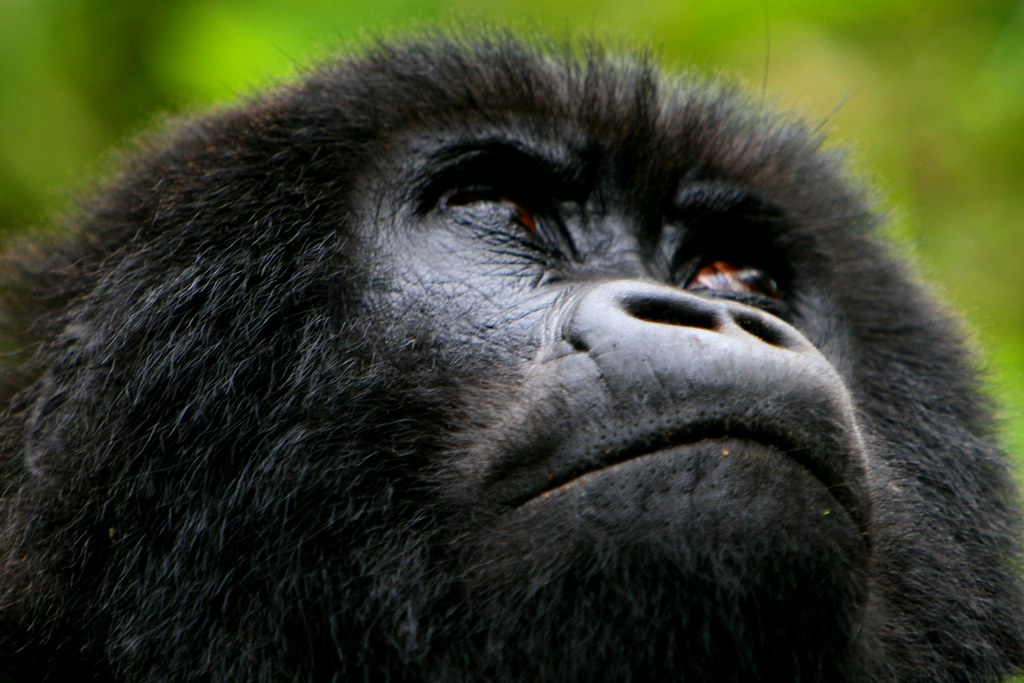
A gorilla is the largest living primate species and one of humanity’s closest biological relatives. Gorillas belong to the genus Gorilla within the great ape family, which also includes chimpanzees, bonobos, and humans. Adult males can weigh over 180 kilograms and are easily recognized by the distinctive silver hair that develops across their backs as they mature.

Where Do Gorillas Live?

Gorillas inhabit tropical and subtropical forests in parts of Central and East Africa. Mountain gorillas, one of the most famous subspecies, live in high-altitude forests located along the Virunga volcanic range and the Bwindi forest ecosystem.

Are Gorillas Dangerous to Humans?

Gorillas are generally gentle and non-aggressive animals when humans respect their space and follow conservation guidelines. In the wild, gorillas are shy creatures that prefer avoiding conflict. During gorilla trekking experiences, visitors are always accompanied by trained rangers and guides who understand gorilla behavior and maintain safe interactions.

What Is Gorilla Trekking?

Gorilla trekking is a guided wildlife activity that allows visitors to observe habituated gorilla families in their natural forest habitats. During this experience, small groups of tourists hike through forest trails with experienced trackers who locate gorilla families using signs such as nests, footprints, and vocalizations.

How Close Can Visitors Get to Gorillas?

Visitors must maintain a minimum distance of about seven meters from gorillas during trekking encounters. This rule helps protect the animals from potential disease transmission and ensures that the gorillas do not feel threatened by human presence.

What Do Gorillas Eat?

Gorillas are primarily herbivores that feed on a wide variety of vegetation found within their forest habitats. Their diet includes leaves, stems, bamboo shoots, fruits, and roots. Mountain gorillas in particular rely heavily on leafy plants because fruit availability in high-altitude forests is limited.

How Do Gorilla Families Live Together?

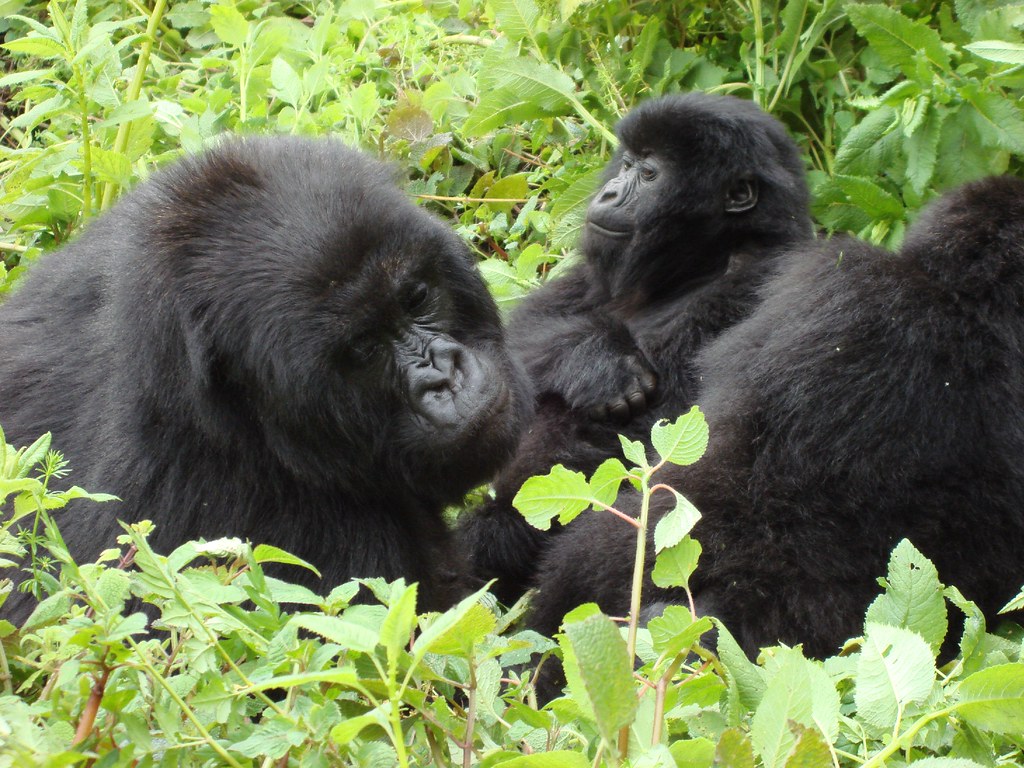
Gorillas live in tightly bonded social groups known as troops or families. These groups are typically led by a dominant silverback male who protects the group, makes decisions about movement, and resolves conflicts within the family.