African Primates: A Brief Overview
African primates represent some of the most intelligent, social, and ecologically important mammals on the continent. They range from the great apes, such as mountain gorillas and chimpanzees, to smaller species like baboons, colobus monkeys, and vervet monkeys. These primates inhabit diverse environments including tropical rainforests, savannahs, montane forests, and woodland ecosystems, making them highly adaptable yet deeply connected to their habitats.
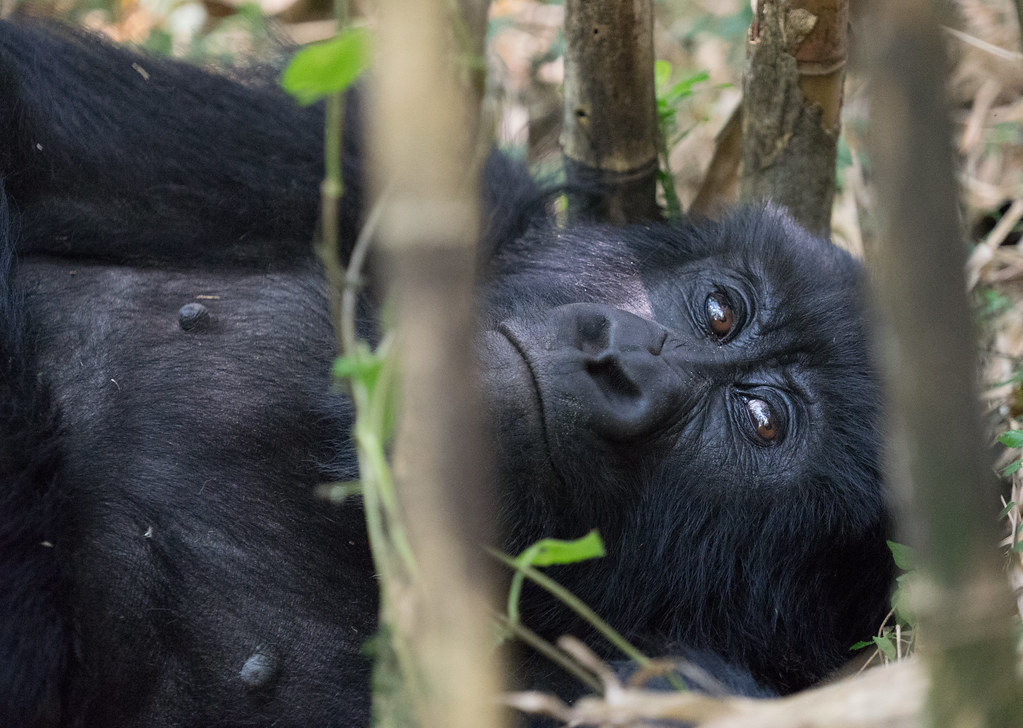
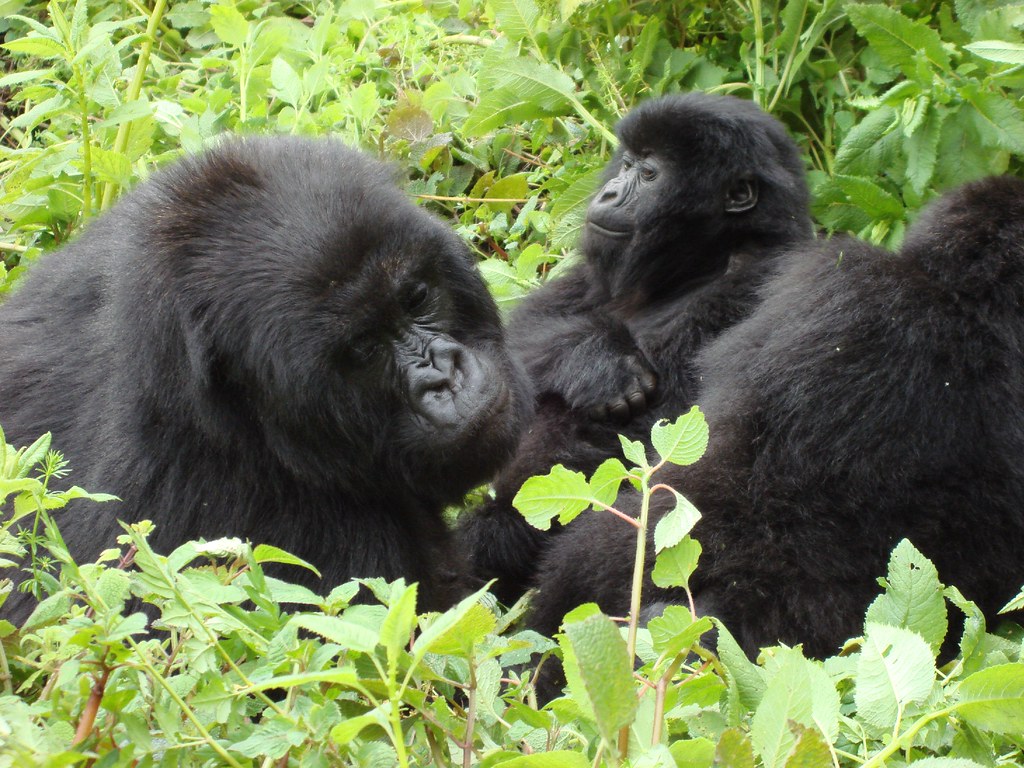
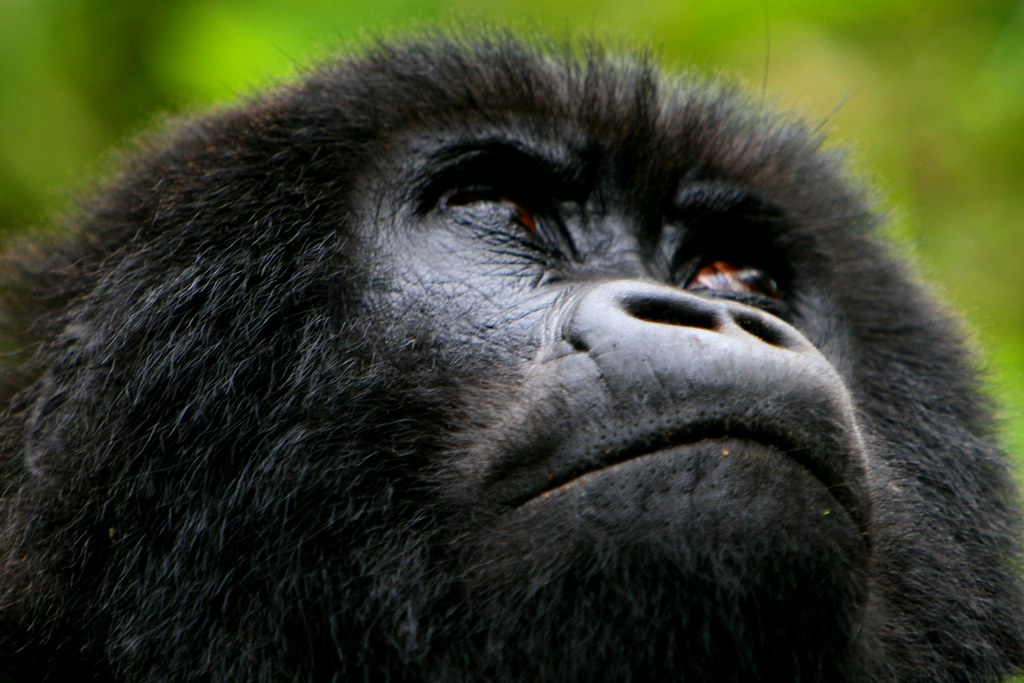
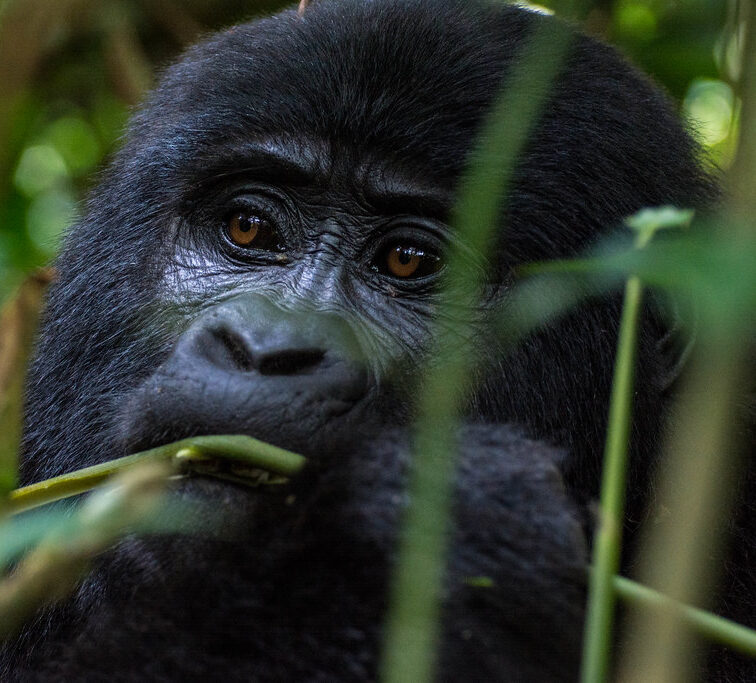
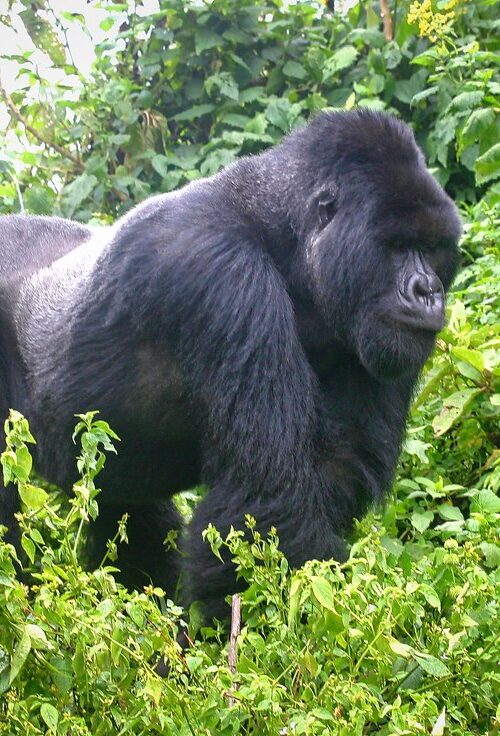
Great apes are the most iconic African primates, sharing a close genetic relationship with humans. Mountain gorillas live in high-altitude forests of East and Central Africa, while chimpanzees occupy lowland and forested regions across several countries. These species display complex social structures, advanced communication, tool use, and strong family bonds, highlighting their cognitive sophistication.
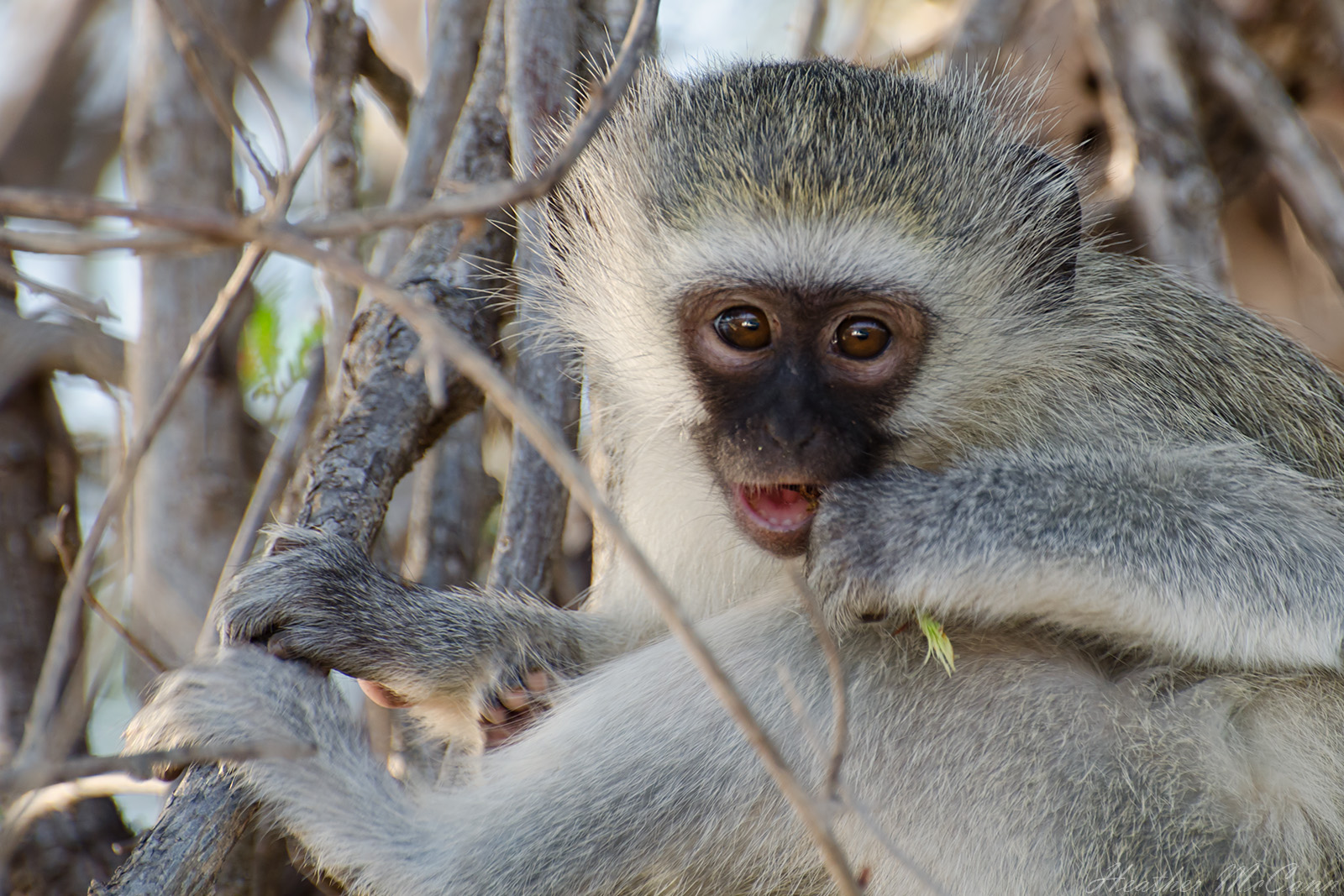
Monkeys form the largest group of African primates and play a vital role in maintaining forest health. Species such as colobus and guenons contribute to seed dispersal and vegetation regeneration, supporting biodiversity. Baboons, known for their adaptability, thrive in both wild and human-altered landscapes, demonstrating remarkable survival strategies.
African primates face growing threats from habitat loss, poaching, disease, and climate change. Conservation efforts focus on habitat protection, anti-poaching initiatives, and responsible ecotourism, which provides funding and awareness for their survival. Protecting African primates is essential not only for preserving wildlife heritage but also for maintaining the ecological balance of the ecosystems they support.